

Bosch dishwasher not drying problems often happen when the rinse aid is empty, the selected cycle does not get hot enough, or the appliance cannot complete its condensation drying process. The good news is that many drying issues start with simple settings before they point to a failed part.
Running dishwasher diagnostic mode can reveal hidden error codes and help speed up the repair process. This guide explains the quick fixes you can try first, the internal parts that may cause drying failure, and the safety issues you should know before opening the appliance.
Why Does a Bosch Dishwasher Leave Dishes Wet
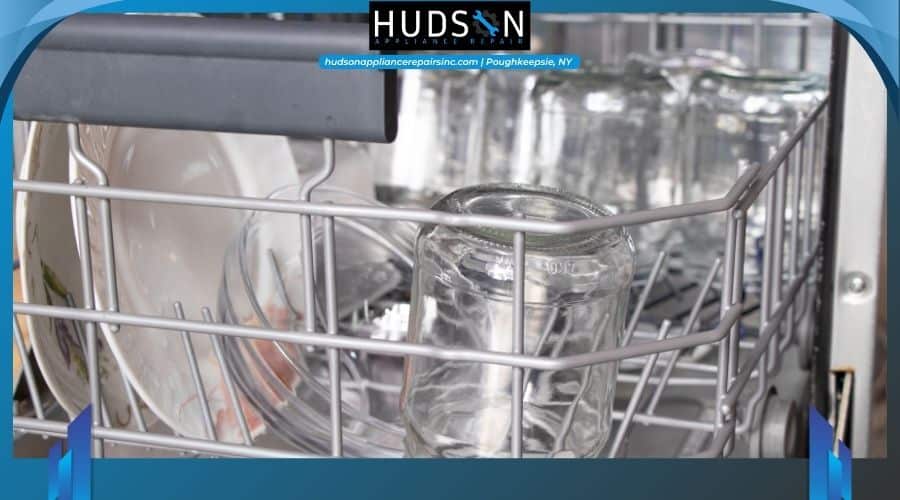
Bosch dishwashers leave dishes wet when the internal tub does not retain enough heat to pull moisture away from plates, glasses, and utensils. This often happens when the rinse aid dispenser is empty or the selected wash cycle does not create enough heat.
Unlike many standard models, Bosch dishwashers use condensation drying instead of an exposed heating coil. The stainless steel tub cools faster than the hot dishes inside. As the dishes stay warm, moisture pulls away from them and collects on the cooler tub walls.
This drying method works best when rinse aid is full, the dishes are loaded correctly, and the final rinse reaches the right temperature. Bosch also explains that condensation drying and rinse aid tips can help improve drying results. The United States Department of Energy also recommends energy-efficient dishwashers because they use less energy and water than older standard models.
What Are the Best Quick Fixes for Wet Dishes
The best quick fixes include filling the rinse aid dispenser completely and selecting a hotter cycle, such as Sanitize or Extra Dry. These adjustments help increase heat and reduce water spots on dishes.
You can often fix this issue without taking the dishwasher apart. Start with these simple steps before assuming a major part has failed:
- Fill the rinse aid dispenser: Rinse aid helps water slide off dishes instead of clinging to glasses, plates, and silverware.
- Use the right amount of rinse aid: Fill the dispenser fully so the appliance can release enough fluid during the final rinse.
- Select a hotter cycle: Choose Extra Dry, Sanitize, or a similar high-temperature setting if your Bosch model includes that option.
- Load dishes properly: Avoid nesting bowls, cups, or utensils because trapped water will not drain well.
- Understand plastic limitations: Plastic items do not hold heat well. They may stay damp even when the dishwasher works correctly.
If these steps improve drying, the issue likely came from settings, rinse aid, or loading habits rather than a broken internal part.
Which Internal Parts Cause a Bosch Dishwasher to Fail

A broken main heater, faulty NTC thermistor, damaged circulation pump, or failed control board can prevent a Bosch dishwasher from heating water correctly. When the appliance cannot heat water, it cannot complete the drying process properly.
A drying failure may come from one or more internal parts. These parts often need professional testing because several failures can create the same symptom.
Common parts that may cause drying problems include:
- Main heater: The water may stay cold if the heater inside the wash system fails.
- NTC thermistor: This sensor reads water temperature. If it sends the wrong reading, the dishwasher may not heat correctly.
- Control board: The control board sends power to the heating system. Sometimes, commercial appliance issues share symptoms with home units, especially when a control board fails to send voltage to the heating system.
- Circulation pump: A weak or failing pump can stop hot water from moving through the dishwasher properly.
- Vent or drying system: Some models rely on controlled airflow or drying features. If those parts fail, dishes may stay wet after the cycle ends.
At this point, guessing can get expensive. A technician can test the heater, sensor, pump, and control board to confirm the real cause before replacing parts.
What Are the Electrical Safety and Building Code Requirements
Local building codes may require licensed professionals to handle hardwired appliance electrical connections. This matters because a dishwasher combines water, electricity, and confined cabinet wiring in one area.
Many dishwashers use a plug-in setup, but some homes and apartments rely on hardwired electrical connections. Opening the junction box or changing wiring without proper training can create fire, shock, and insurance risks.
The National Fire Protection Association explains important National Electrical Code kitchen safety guidance, including protection related to kitchen appliances. These rules help reduce electrical hazards in areas where water and power are close together.
For homeowners, the safest approach is simple: handle basic checks like rinse aid, cycle settings, and loading patterns, but leave electrical testing and internal wiring repairs to a qualified technician.
How Do You Avoid Electrical Safety Hazards During Repairs
You avoid electrical hazards by disconnecting the dishwasher from power before any inspection. For more complex repairs, certified technicians should handle testing, wiring, and part replacement.
Opening electrical panels, touching internal wiring, or testing live components can cause serious injury. It can also affect your warranty if the repair is not handled correctly. The Federal Trade Commission explains consumer warranty protections and why warranty terms matter before repair work begins.
Before any basic inspection, shut off power at the breaker or unplug the appliance if it uses a standard outlet. Do not touch wiring, control boards, junction boxes, or internal electrical parts unless you are trained to do so.
Water damage and fire claims can also face extra review if an unauthorized repair causes the problem. Calling a professional helps protect your appliance, your home, and your warranty coverage.
Keep Your Bosch Dishwasher Drying Properly
A Bosch dishwasher not drying usually comes down to rinse aid, cycle temperature, plastic items, loading habits, or a failed heating-related part. Start with simple fixes first. If the dishes still come out cold or wet, the heater, thermistor, circulation pump, vent system, or control board may need professional testing.
Hudson Appliance Repair is a full-service home appliance repair company serving the Poughkeepsie, NY area, specializing in comprehensive refrigerator, oven, dishwasher, and washer and dryer repair for local homeowners. A certified technician can help confirm the real cause of the drying issue and complete the repair service safely. schedule service with our expert Bosch appliance technicians and protect your home.
Frequently Asked Questions
Why are my plastic dishes still wet inside my Bosch dishwasher?
Plastic holds less heat than glass or ceramic, so condensation drying leaves it damp even when the dishwasher works properly.
Is hiring a licensed technician legally required for dishwasher repair?
A licensed technician may be required for hardwired electrical repairs, local code compliance, and safe internal part testing.
Does an empty rinse aid dispenser stop the drying cycle?
An empty rinse aid dispenser can leave dishes wet because water clings to dishes instead of sliding off during the final rinse.
What temperature should the hot water be for optimal drying?
Hot water should reach about 120 degrees Fahrenheit before entering the dishwasher for better cleaning and drying results.
How do I know if the heating element is broken?
Dishes may feel cold after the cycle ends. A technician can test the heater, thermistor, pump, and control board.