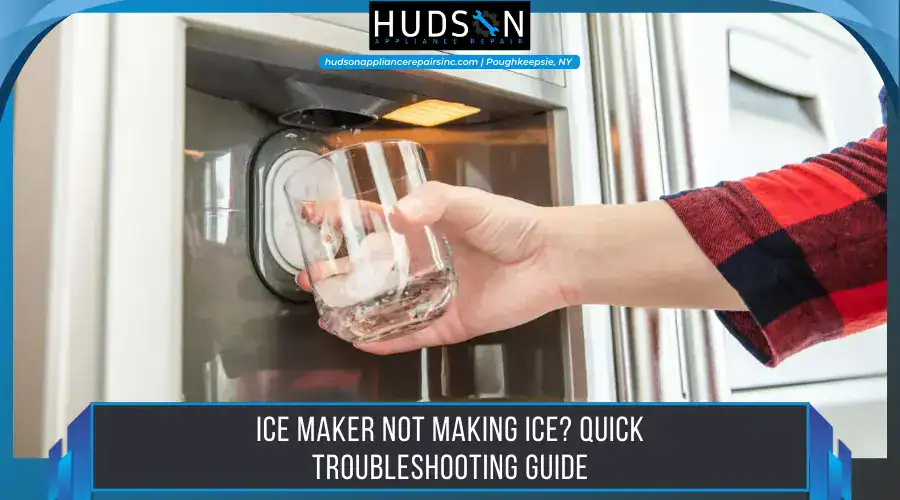
If your ice maker is not making ice, the root cause is typically a clogged water filter, a frozen fill tube, a raised bail wire, or a freezer temperature set above 10°F. You can often restore your ice production quickly by inspecting these specific components before scheduling an appliance repair service.
Warm drinks are frustrating. Read on to discover the exact clinical procedures for diagnosing and fixing a malfunctioning ice machine.
The Standard of Excellence for Kitchen Appliance Repair
Accurate diagnostics prevent unnecessary part replacements. A proper repair directly addresses water flow, electrical continuity, and temperature calibration.
For example, always test the water inlet valve for proper voltage before assuming the ice maker module is dead. The water inlet valve is an electromechanical solenoid that opens to allow water into the ice mold. Testing this specific component early saves time and money.
Laws, Standards, and Requirements for Refrigerator Maintenance
Strict environmental regulations govern refrigerator maintenance, specifically regarding chemical refrigerants. Following these rules protects your household and prevents costly fines.
The sealed cooling system consists of a closed copper loop that holds these chemical refrigerants. The Environmental Protection Agency heavily regulates the recovery and disposal of these chemicals to protect the atmosphere. Never puncture or modify the sealed system yourself under any circumstances.
What Safety Risks Should You Avoid During Ice Maker Repairs

Working near water and electrical components presents severe shock hazards. Always shut off the water supply valve and unplug the refrigerator before accessing internal parts.
Additionally, inspect the braided water supply line annually. Ignoring a small leak behind the unit causes severe structural water damage to your kitchen floor over time.
How Do You Diagnose an Ice Maker That Stopped Working
Follow these exact steps to resolve common production failures. Checking these components often restores water flow without requiring new parts.
- Push the bail wire down to signal the machine that the ice bin is empty.
- Replace the water filter to ensure adequate water pressure.
- Clear ice jams inside the fill tube using a hairdryer on a low, warm setting.
The bail wire is the metal sensor arm that detects ice levels. When it rests in the up position, it actively halts the entire ice-making cycle.
Is a Clogged Water Filter Blocking the Water Supply

The water supply line forces water through a carbon filter before it fills the ice mold. If your home uses groundwater, dissolved minerals like calcium and magnesium cause hard water.
This mineral buildup rapidly clogs the filter membrane. A restricted filter drops water pressure below the 20 PSI minimum required to open the inlet valve. Replace your water filter every six months to keep the water flowing.
Why Does Freezer Temperature Matter for Ice Production
Ice makers rely on precise internal thermostats. The thermostat actively pauses production if the freezer temperature exceeds 10°F to prevent water from leaking into the ice bin.
Federal food safety standards recommend keeping your freezer at exactly 0°F. If your freezer runs too warm, check the condenser coils located at the base or rear of the unit. Vacuuming these coils removes dust and restores proper heat dissipation.
What is the Water Inlet Valve and How Does It Fail
The water inlet valve operates using electrically charged solenoids. When the ice maker cycle calls for water, it sends 120 volts to the valve, opening it for a precise duration.
If the valve fails mechanically, water will not flow. If it fails electrically, the solenoids cannot open. Use a multimeter to test the valve terminals for electrical continuity. Install a replacement part if the valve lacks continuity.
Quick Troubleshooting Reference Guide

Use this quick reference table to identify common problems and their corresponding solutions.
| Symptom | Potential Cause | Recommended Action |
| Complete lack of ice | Raised bail wire | Push the metal arm down |
| Small hollow cubes | Clogged water filter | Replace the filter cartridge |
| No water flow | Faulty inlet valve | Test electrical continuity |
| Warm freezer temperatures | Dirty condenser coils | Vacuum the coils completely |
Reliable Local Assistance for Your Kitchen
Complex mechanical and electrical failures require professional diagnostics. Hudson Appliance Repair is a full-service home appliance repair company serving the Poughkeepsie, NY area, specializing in comprehensive refrigerator, oven, dishwasher, and washer and dryer repair for local homeowners.
Schedule a diagnostic visit today to receive precise, safe refrigerator repair services.
Frequently Asked Questions
Why is my ice maker not making ice, but water works?
Refrigerators use a dual-solenoid water inlet valve. One solenoid controls the door dispenser, and the other controls the ice maker. The ice maker solenoid can fail independently. Test its continuity with a multimeter.
What is the penalty for non-compliance with EPA refrigerant laws?
Homeowners and technicians face fines of thousands of dollars per day for intentionally venting controlled refrigerants into the atmosphere without federal certification.
How long does a newly installed unit take to produce cubes?
A new or recently reset refrigerator needs up to 24 hours to stabilize at 0°F. The ice maker will not cycle until the internal mold reaches roughly 10°F.
Can a clogged water filter completely stop production?
Yes. The water inlet valve requires a minimum of 20 PSI to function. A severe clog drops the pressure below this threshold, completely preventing the valve from opening.
Why are my frozen cubes hollow and small?
Hollow cubes occur when low water pressure short-fills the ice mold during the automated cycle. Verify that the wall saddle valve is fully open and check the main supply line for kinks.